All Categories
Featured


Urgent Arborist Services Across SoCal
Table of Contents
Preventing water loss from your soil Decreasing the requirement for extra irrigation. Ending up off the overall attractiveness of your landscape Some mulches are more pricey than others, and some are more decorative. Apply roughly three inches of mulch under ornamental plants in the landscape (avoid using too much mulch because it encourages shallow roots) Location papers on the soil under organic mulch at planting time to improve water preservation in the soil, completely soak papers after applying mulch Extend mulched areas two to three times the canopy spread of ornamental trees and shrubs As soon as mulch remains in location, utilize your hand to pull it back 2 to 3 inches far from the trunk of trees and shrubs (this will help prevent wood decomposing illness) Throughout periods of restricted rains, make sure adequate mulch is preserved underneath plants Remove natural mulch from around plants and place papers 2 sheets thick on soil surface areas and reapply mulch (make sure to damp the papers completely right away after application or they may pull moisture from the soil) Mulch conserves moisture by avoiding evaporative water loss from the soil surface area and lowering the requirement for additional watering throughout periods of limited infall.
When you apply a couple of simple water-saving strategies to your landscaping plans, you can create gorgeous landscapes with much less water than you believe. Change your believing to the "lower water zone" and you'll have beautiful lawns and gardens during times of dry spell, along with times of regular rainfall.
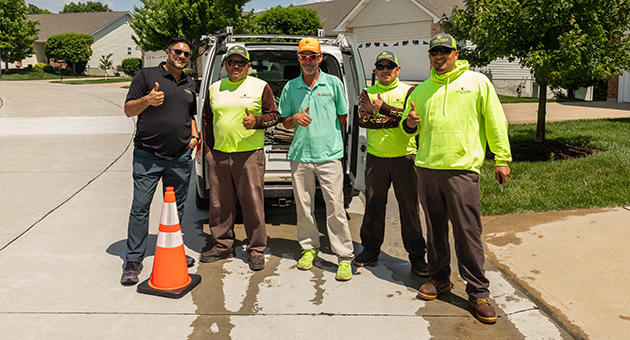
You don't have to be an expert to prepare a beautiful landscape. Step 1: Pull out the Sketchpad Planning For Maximum Growth With Minimum Water Action 2: Get Your Hands Dirty Easy Ways to Assess Your Soil Step 3: Choose the Right Plants Select Plants with Comparable Water Needs and Plant Together Step 4: Pick Your Turf Discover Out Which Turf is Best for Your Region Step 5: Get In the Water Zone Strategy for Efficient Irrigation Action 6: Use the Finishing Touch Usage Mulch to Extend the Life of Plants Step 7: Test Your Green Thumb Careful Upkeep for a Great-Looking Lawn.
Exceeding SoCal Conservation Mandates for Commercial Land
Outside water performance focuses on smart landscape options, watering devices, controllers, and watering schedules. Outdoor usage is often the biggest end-use of water in a neighborhood and is heavily affected by weather condition. Climate change is expected to increase outdoor water demands. Thoughtful tasks can deliver numerous advantages, such as enhanced regional water quality through decreased runoff, metropolitan heat decrease through increased shade, and broadened habitats for pollinators.
Strategies consist of landscape improvements, enhanced irrigation, smart innovation, academic outreach, land usage policies, and rainwater reuse.
Water-efficient landscaping takes a basic, holistic technique to every step of creating a backyard that looks beautiful and conserves water. Incorporate seven basic actions from planning and style to long-lasting upkeep to attain maximum water cost savings. Great preparation and style are some of the most essential actions for a waterwise landscape.
Select native, waterwise plants and set yourself up for efficient watering. Produce irrigation zones based upon plant type, soil type, and light direct exposure. Uncertain where to begin? Choose a pro. Healthy soil is the foundation of water-efficient landscaping. It offers support, water, oxygen, and nutrients to plants and soil-dwelling organisms.
Emergency Sprinkler Fixes for Commercial Zones
Lawn requires more water and upkeep than the majority of other plants. Make sure your lawn is practical, practical, and water-efficient. Whether you want to learn how to make your yard more waterwise or you're prepared to replace some or all of it, start with these tips and resources. Various plants require different quantities of water, sun, and shade to flourish.
Get waterwise plant resources and suggestions on how to water any kind of landscape efficiently. The greatest waste of water is watering too much, too typically. Overwatering wasteful and it can also damage your plants and soil. Use the Weekly Watering Number to get recommendations for how much to water weekly.
Commercial Irrigation Leak DetectionRoutine upkeep will keep your plants healthy. It will make your landscape more resistant to different weather condition, insects, and disease.

Rapid Irrigation Fixes for Commercial Zones
This will promote root development and water absorption. Weeds contend with plants for nutrients, light, and water. A taller yard offers shade to the roots, so your yard requires less water.

Latest Posts
Custom Irrigation Management for Hospitals
24/7 Irrigation Services Across California

Risk Management for Safety